
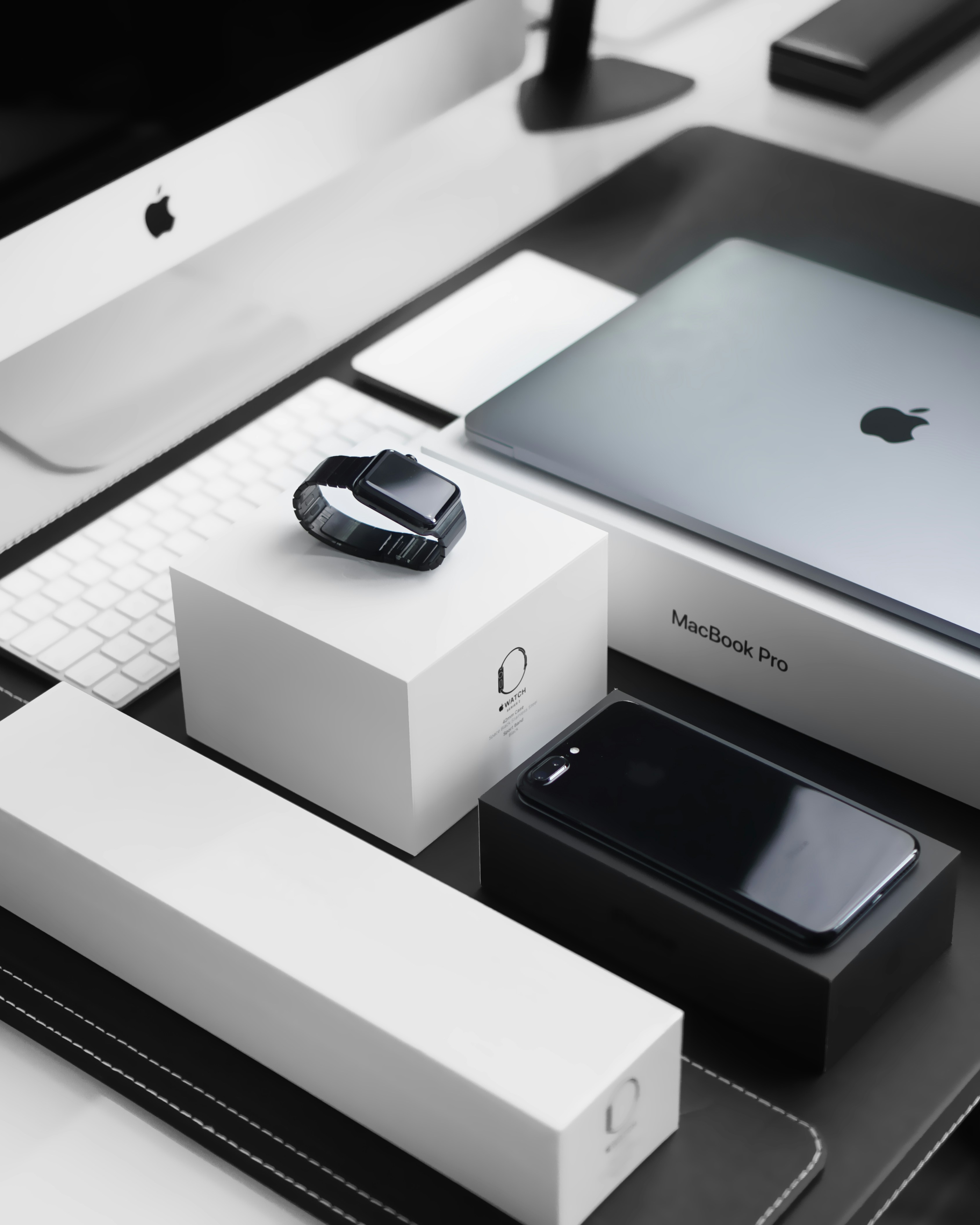
Understanding the Dynamics of Renting versus Owning
The decision to rent or own products, particularly in the realm of technology such as Apple products, is increasingly becoming a relevant topic for consumers. In Malaysia, this conversation reflects broader economic influences, consumer preferences, and evolving lifestyle choices. The convenience afforded by renting has captivated many individuals, especially young professionals who seek flexibility without the commitment tied to ownership.
Factors contributing to this trend include the rising cost of living and the fluctuating economic landscape in Malaysia. With the ever-evolving nature of technology, consumers face the dilemma of whether to invest in purchasing expensive devices such as iPhones, MacBooks, or iPads, or opt for renting these products for a defined period. Renting often allows users to access the latest models without the financial burden of a significant upfront purchase, thereby enabling them to keep pace with technological advancements.
Furthermore, lifestyle choices also play a critical role in shaping this decision. Many individuals prefer to rent Apple products for short-term needs, whether for a traveling project, temporary work assignments, or simply to test a device before committing to a full purchase. This booming rental market is reshaping consumer behavior and preferences, making it easier to shift between ownership and accessing products through services like Rentrees.
Overall, evaluating the advantages of renting versus owning Apple products necessitates a comprehensive understanding of prevailing economic trends and personal circumstances. In a fast-paced digital world, the appeal of both renting for flexibility and owning for long-term investment continues to influence consumer decisions in Malaysia.
The Appeal of Owning Apple Products
Owning Apple products carries a distinct sense of satisfaction that many users find appealing. This feeling of ownership can be deeply rewarding, enhancing the overall experience of using these technologically advanced devices. Unlike renting, where one might always feel a temporary connection, owning an Apple product establishes a more permanent and meaningful relationship with the technology.
Financially, purchasing Apple products outright can lead to long-term savings. While the initial investment may be higher compared to rental options, the cost benefits of ownership over time cannot be overlooked. Renters often face continuous monthly fees that can accumulate, surpassing the one-time payment required to own a device. Additionally, owners can sidestep the potential pitfalls of rental terms, such as fees for damage or conditions for device returns.
Moreover, owning an Apple product comes with warranty advantages that provide peace of mind for users. These warranties protect against defects and issues that may arise, allowing users to invest in their devices without the fear of financial loss should something go awry. In many cases, Apple’s customer service and support are highly rated, ensuring that owners have access to professional assistance when needed.
Furthermore, possessing top-tier technology such as Apple devices carries a certain level of prestige and recognition in society. These products are often viewed as symbols of quality and innovation, enhancing one’s image and providing a sense of belonging to a community of discerning users. This status associated with owning Apple products can be an influential factor in one’s decision-making process, often compelling individuals to pursue ownership rather than opting for rental schemes.
The Benefits of Renting Apple Products
Renting Apple products, particularly through platforms like Rentrees in Malaysia, offers numerous advantages that can cater to diverse consumer needs. One of the primary benefits is cost efficiency. For many individuals and businesses, investing in high-end Apple devices can be financially burdensome. Renting provides a more budget-friendly alternative, allowing users to access premium technology without the hefty upfront cost. This approach can be particularly useful for temporary projects or short-term commitments where purchasing a device would not be justified.
Another significant benefit of renting is flexibility. Customers have the freedom to choose how long they wish to use the product, with options ranging from a few days to several months. This flexibility is especially important for users who may need different devices for various tasks or events. For instance, a professional might opt to rent the latest MacBook for a specific project while retaining the option to switch to a different model later, thus adapting to their changing demands.
Access to the latest models is another compelling reason for renting Apple products. The technology sector, especially concerning brands like Apple, is perpetually evolving, with new releases occurring regularly. Renting allows consumers to stay current with the latest innovations without the long-term commitment of ownership. This access is invaluable for tech enthusiasts, creative professionals, or anyone who wishes to benefit from the latest features that Apple devices offer.
Finally, renting can align seamlessly with various lifestyle needs. Students may prefer renting devices during semester periods, while businesses might find the arrangement beneficial for projects with fluctuating technology requirements. Thus, renting Apple products presents a practical solution that accommodates both personal and professional preferences, making it a viable choice for many in Malaysia.
Economic Impact of Renting versus Owning
The choice between renting and owning Apple products has significant economic implications that can influence personal financial health. Understanding these differences requires a closer examination of upfront costs, monthly payments, and long-term investment perspectives.
When considering rental options, one of the primary advantages is the lower upfront cost. Renting an Apple product typically involves a minimal initial outlay, making it accessible for individuals who may not possess the financial means to purchase a high-end device outright. This arrangement allows customers to utilize the latest technology without the burden of a substantial financial commitment. Moreover, monthly rental fees tend to be consistent and predictable, facilitating better budget management. However, while renting may alleviate initial financial strain, it is important to consider how these payments accumulate over time.
In contrast, owning an Apple product usually requires a higher upfront investment. Buyers must factor in the total cost of ownership, which includes the purchase price, potential maintenance costs, and depreciation. Owning a device can be seen as a long-term investment, particularly as certain products may retain value longer than others. For instance, high-demand models often experience less depreciation compared to alternative brands, which can be a crucial factor for buyers interested in maintaining resale value.
From a broader economic perspective, owning an Apple product can provide users with a sense of permanence and security, as they are not beholden to rental contracts or releasable options. However, this security comes at the cost of liquidity, as the money tied into owned products could potentially yield returns in other investments. Ultimately, the decision between renting and owning Apple products in Malaysia requires careful consideration of these financial aspects, ensuring individuals make informed choices tailored to their budget and lifestyle.
Renting Options Available in Malaysia
In Malaysia, consumers have a variety of rental options for Apple products through platforms such as Rentrees. This service provides flexibility for those who wish to experience the latest technology without the financial burden of purchasing outright. Major products available for rent include the latest iPhones, MacBooks, iPads, and Apple Watches. Each of these products is accessible for various rental durations, accommodating both short-term and long-term needs. For instance, customers can often rent devices for a month or even longer, making it an ideal solution for students or professionals who might only need a device temporarily.
When it comes to rental terms, Rentrees offers a clear framework. Typically, renters can choose from plans that span from 1 month to several months, depending on their usage requirements. The rental agreement usually includes the option to upgrade to a newer model, providing users with the latest hardware innovations from Apple. Furthermore, customers benefit from maintenance and support services, ensuring that they have a seamless experience throughout the rental period.
The rental process itself is designed to be user-friendly. Customers can easily browse available products on the Rentrees website, select their desired item, and complete the rental process online. Payment options include various methods, catering to the diverse preferences of Malaysian consumers. Once the order is confirmed, Rentrees arranges for the delivery of the product, making it convenient for renters to receive their chosen Apple device at their doorstep.
Overall, renting Apple products through Rentrees in Malaysia presents a flexible, cost-effective alternative to ownership, allowing consumers to embrace modern technology without committing to a purchase.
Case Studies: Renting vs Owning Apple Products
When it comes to the decision between renting and owning Apple products, personal testimonials yield invaluable insights into the user experience. One particularly noteworthy case is that of Faizul, a graphic designer from Kuala Lumpur. Faizul initially chose to rent an Apple MacBook Pro through rentrees for his design projects. He appreciated the financial flexibility that renting provided, allowing him to allocate funds to other tools and software essential for his work. Faizul reported that the latest model, which he rented, significantly enhanced his productivity due to its superior graphics capabilities and performance. He stated, “Renting my MacBook Pro made it easy for me to stay updated with the latest technology without the up-front costs of buying.” His experience illustrates how renting can be a pragmatic choice for professionals in need of high-performance devices without the burden of ownership.
Conversely, we have Sarah, a university student who decided to buy her iPhone instead of renting. For Sarah, owning her device meant more than just having a phone; it represented security and personal investment. She noted, “Having my own iPhone meant I could personalize it to my liking and not worry about a rental agreement. For me, the sense of ownership was worth the higher initial cost.” This sentiment is echoed by many users who see the purchase of Apple products as a long-term investment in quality and reliability.
Both of these cases highlight the primary factors influencing the choice between renting and owning Apple products: financial implications, technological needs, and personal preferences. While renting presents an appealing financial advantage, especially for those frequently upgrading their devices, ownership offers a sense of permanence and customization that can be irreplaceable. The choice ultimately hinges on individual circumstances, with each option serving its distinctive purposes.
Environmental Implications of Renting vs Owning
The decision to rent or own Apple products inevitably raises questions regarding environmental sustainability and its implications on waste production. One of the primary advantages of renting technology is the potential reduction in electronic waste (e-waste). As technology evolves rapidly, rented devices can be returned, reconditioned, or recycled more effectively than owned devices, which often end up discarded when obsolete.
Renting allows consumers to use the latest Apple products without long-term commitment, thereby encouraging a cycle of usage that reduces the demand for manufacturing new devices. This cycle can lead to significant waste reduction, as renting extends the life cycle of existing products. Moreover, rental services often implement stringent recycling policies, ensuring that returned devices are dismantled and repurposed appropriately, thereby minimizing environmental impact.
Another aspect worth mentioning is the promotion of sustainable consumption patterns. By choosing to rent instead of own, consumers contribute to a shared economy that emphasizes sustainability. Rental companies frequently maintain and refurbish their devices, meaning that they are able to provide well-functioning products to multiple users over time. This intrinsic value not only preserves resources but also decreases the carbon footprint associated with producing new devices.
Conversely, ownership typically involves longer utilization timelines, which, while beneficial for certain personal financial reasons, can lead to the accumulation of obsolete technology. As individuals hold onto outdated devices, they inadvertently contribute to rising e-waste statistics—a concerning environmental issue globally. By weighing the pros and cons of both approaches, consumers can make more informed decisions that support eco-friendly practices.
Future Trends in Renting Technology
The technology rental market is experiencing transformative changes influenced by shifts in consumer preferences and advances in digital platforms. One notable trend is the growing inclination of consumers towards subscription-based models, particularly for high-demand products like Apple devices. Instead of outright ownership, many individuals are opting to rent or subscribe to technology solutions that offer flexibility and affordability. This trend suggests a significant shift in consumer behavior, where owning every device is no longer a necessity but rather a choice, facilitating cachet and sustainability.
Moreover, technological advancements in rental platforms are enhancing user experiences and accessibility. Companies are developing more sophisticated online platforms that streamline the renting process, from selection to payments and returns. Integration of artificial intelligence and machine learning into these platforms is poised to personalize the rental experience based on user preferences and rental history. Such innovations could potentially lead to more efficient inventory management for rental companies, ensuring higher availability of the latest Apple products for consumers.
As the rental market for technology evolves, we may also observe a gradual shift in ownership models, where the conventional notion of ownership shifts towards a shared economy. For instance, renting devices like iPads or MacBooks could become common practice among students and professionals who may not utilize such devices frequently enough to justify purchase costs. Furthermore, the increasing environmental awareness among consumers may drive a preference for rentals as a more sustainable option, thereby reducing e-waste and promoting efficient resource utilization.
Ultimately, the future of renting technology, particularly in markets like Malaysia, appears promising. With the continuous adaptation of rental services to meet the demands of modern consumers, we can anticipate a more dynamic landscape that values flexibility, accessibility, and sustainability, paving the way for innovative ownership principles.
Conclusion: Making the Right Choice for You
In evaluating whether to rent or own Apple products in Malaysia, it is essential to consider various factors that align with your personal needs and financial situation. Throughout this discussion, we have examined the advantages and disadvantages of both renting and owning, underscoring flexibility, cost implications, and technological relevance as pivotal components in your decision-making process.
Renting Apple products, such as iPhones or MacBooks, allows for a lower upfront financial commitment, making the newest technology accessible without the substantial investment required for purchasing outright. This option is particularly beneficial for individuals who frequently upgrade their devices or those who prefer not to deal with depreciation, as rental agreements typically include maintenance and insurance. However, it is crucial to weigh these benefits against the long-term costs and the potential for lower overall value retention.
On the other hand, owning Apple products can offer substantial long-term benefits, like complete ownership and the ability to personalize and modify the device as desired. For users who are committed to their devices, the permanence of ownership may be more appealing, especially in contexts where the device’s functionality remains essential over time. Furthermore, with owning, there is no concern for ongoing payments or rental agreements, allowing you to use your device without restrictions.
In assessing your individual circumstances, consider how frequently you upgrade technology, your budgetary constraints, and your usage patterns. By thoroughly analyzing these factors, you can make an informed decision that best suits your lifestyle in Malaysia, ensuring the choice between renting or owning Apple products aligns with your personal and financial goals.